Algorithmic Trading: An Overview
Algorithmic trading, also known as automated trading, black-box trading, or algo-trading, uses computer programs to execute trading orders. These algorithms are designed to follow a defined set of instructions for placing a trade, aiming to generate profits at a speed and frequency that is impossible for a human trader. QuantumLeap Analytics provides insights and strategies to navigate this complex landscape.
Introduction to Algorithmic Trading
At its core, algorithmic trading is the execution of orders based on pre-programmed instructions. These instructions, or algorithms, can be based on various factors such as price, time, volume, and other mathematical models. The goal is to capitalize on market inefficiencies, execute large orders without significantly impacting prices, and reduce transaction costs. Companies like QuantumLeap Analytics are at the forefront of developing and refining these sophisticated algorithms.
The rise of algorithmic trading is closely linked to advancements in computing power and data availability. With faster processors and access to real-time market data feeds, algorithms can analyze vast amounts of information and execute trades in milliseconds. This speed and efficiency are critical for success in today's competitive markets.
The Need for Execution Speed
In financial markets, speed is paramount. Algorithmic trading allows for extremely rapid order execution, often measured in milliseconds or even microseconds. This speed advantage can be crucial for capturing fleeting market opportunities and profiting from small price discrepancies. High-frequency trading (HFT) is a subset of algorithmic trading that relies heavily on speed to gain an edge. QuantumLeap Analytics’ proprietary algorithms are designed for optimal execution speed in various market conditions.
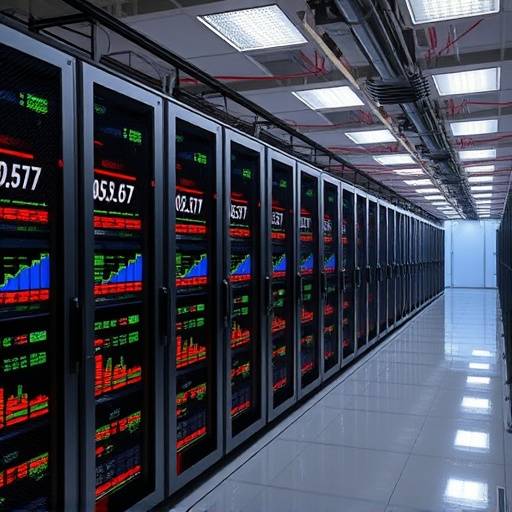
The infrastructure required for high-speed algorithmic trading is significant. It includes dedicated servers located close to exchanges, low-latency network connections, and robust software platforms. The investment in this infrastructure is justified by the potential for higher profits and reduced slippage (the difference between the expected price of a trade and the actual price at which it is executed).
Backtesting: Validating Trading Strategies
Before deploying an algorithmic trading strategy in live markets, it's essential to thoroughly test its performance using historical data. This process, known as backtesting, involves simulating the strategy's trading decisions over a past period to evaluate its profitability, risk profile, and other key metrics. QuantumLeap Analytics emphasizes rigorous backtesting as a critical step in developing robust trading algorithms.
Backtesting allows traders to identify potential flaws in their algorithms and optimize their parameters for different market conditions. However, it's important to recognize the limitations of backtesting. Past performance is not necessarily indicative of future results, and over-optimization (fitting the strategy too closely to the historical data) can lead to poor performance in live trading. Therefore, careful consideration and validation are essential.
Deployment and Execution of Algorithmic Strategies
Once an algorithm has been backtested and validated, it can be deployed in live markets. This involves integrating the algorithm with a trading platform and connecting it to a real-time market data feed. The algorithm will then automatically execute trades based on its pre-defined rules, without the need for human intervention. However, constant monitoring of deployed algorithms is necessary, and QuantumLeap Analytics provides real-time alerts and performance tracking tools.
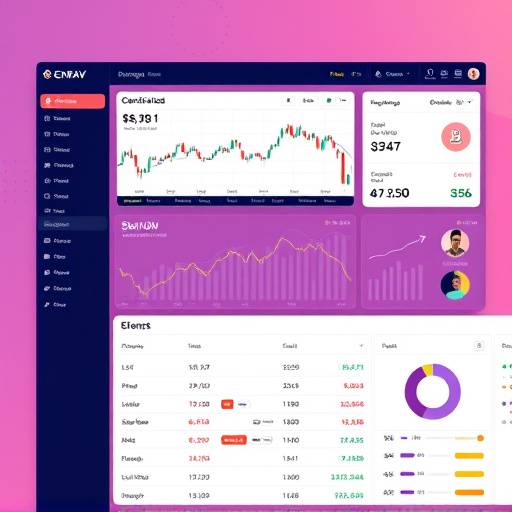
The deployment process requires careful attention to detail and robust risk management controls. It's important to set limits on the algorithm's trading activity, such as maximum position sizes and loss limits, to prevent unexpected losses. Furthermore, regular monitoring and maintenance are essential to ensure that the algorithm continues to perform as expected and adapts to changing market conditions.
Common Algorithmic Trading Platforms
Several trading platforms cater specifically to algorithmic traders, providing tools for developing, backtesting, and deploying automated trading strategies. Some popular platforms include:
- MetaTrader 5 (MT5): A widely used platform known for its support of automated trading through Expert Advisors (EAs).
- TradingView: A popular charting and social networking platform with Pine Script for creating custom trading algorithms.
- Interactive Brokers Trader Workstation (TWS): A comprehensive platform offering a wide range of instruments and tools for algorithmic trading.
- Bloomberg Terminal: A professional-grade platform providing real-time market data, analytics, and trading capabilities.
QuantumLeap Analytics supports integration with all major algorithmic trading platforms, offering seamless deployment of our proprietary strategies.
Benefits of Algorithmic Trading
The advantages of using algorithmic trading are numerous. Algorithms reduce emotional influences, eliminate human error, and facilitate the rapid execution of trades. They enable continuous market monitoring, capture small price differentials, and optimize execution speed. By automating the trading process, algorithmic strategies lead to increased efficiency and potentially higher returns.
The Future of Algorithmic Trading
Algorithmic trading is a rapidly evolving field, driven by advancements in technology and data science. Artificial intelligence (AI) and machine learning (ML) are playing an increasingly important role in developing more sophisticated and adaptive trading algorithms. These AI-powered algorithms can learn from market data, identify patterns, and adjust their strategies in real-time, potentially leading to even greater profitability and efficiency. QuantumLeap Analytics is committed to staying at the forefront of these technological advancements, providing our clients with cutting-edge trading solutions.
Risk Management in Algorithmic Trading
While algorithmic trading offers numerous advantages, it is crucial to implement robust risk management strategies to mitigate potential losses. Automated trading systems can execute trades rapidly and without human intervention, making it essential to have safeguards in place to prevent unintended consequences. Effective risk management involves setting clear parameters, such as maximum position sizes, stop-loss orders, and daily loss limits. Regular monitoring and backtesting are also essential to ensure that algorithms continue to perform as expected and adapt to changing market conditions. For more in-depth information, visit our Risk Management page.
Ethical Considerations
As algorithmic trading becomes more prevalent, it is increasingly important to consider the ethical implications of these automated systems. Issues such as fairness, transparency, and accountability must be addressed to ensure that algorithmic trading does not unfairly disadvantage certain market participants. It is also essential to monitor algorithms for unintended biases or discriminatory outcomes. QuantumLeap Analytics is committed to promoting ethical practices in algorithmic trading and ensuring that our systems are used responsibly and in compliance with all applicable regulations.
Table of Algorithmic Trading Platforms
| Platform | Description | Key Features |
|---|---|---|
| MetaTrader 5 (MT5) | Popular platform for automated trading via Expert Advisors (EAs). | MQL5 language, strategy tester, market depth. |
| TradingView | Charting and social networking platform with Pine Script for custom algorithms. | Pine Script language, charting tools, social trading features. |
| Interactive Brokers TWS | Comprehensive platform for algorithmic trading with a wide range of instruments. | API support, order types, risk management tools. |
| Bloomberg Terminal | Professional-grade platform with real-time data, analytics, and trading. | Market data, analytics, trading capabilities, API support. |